
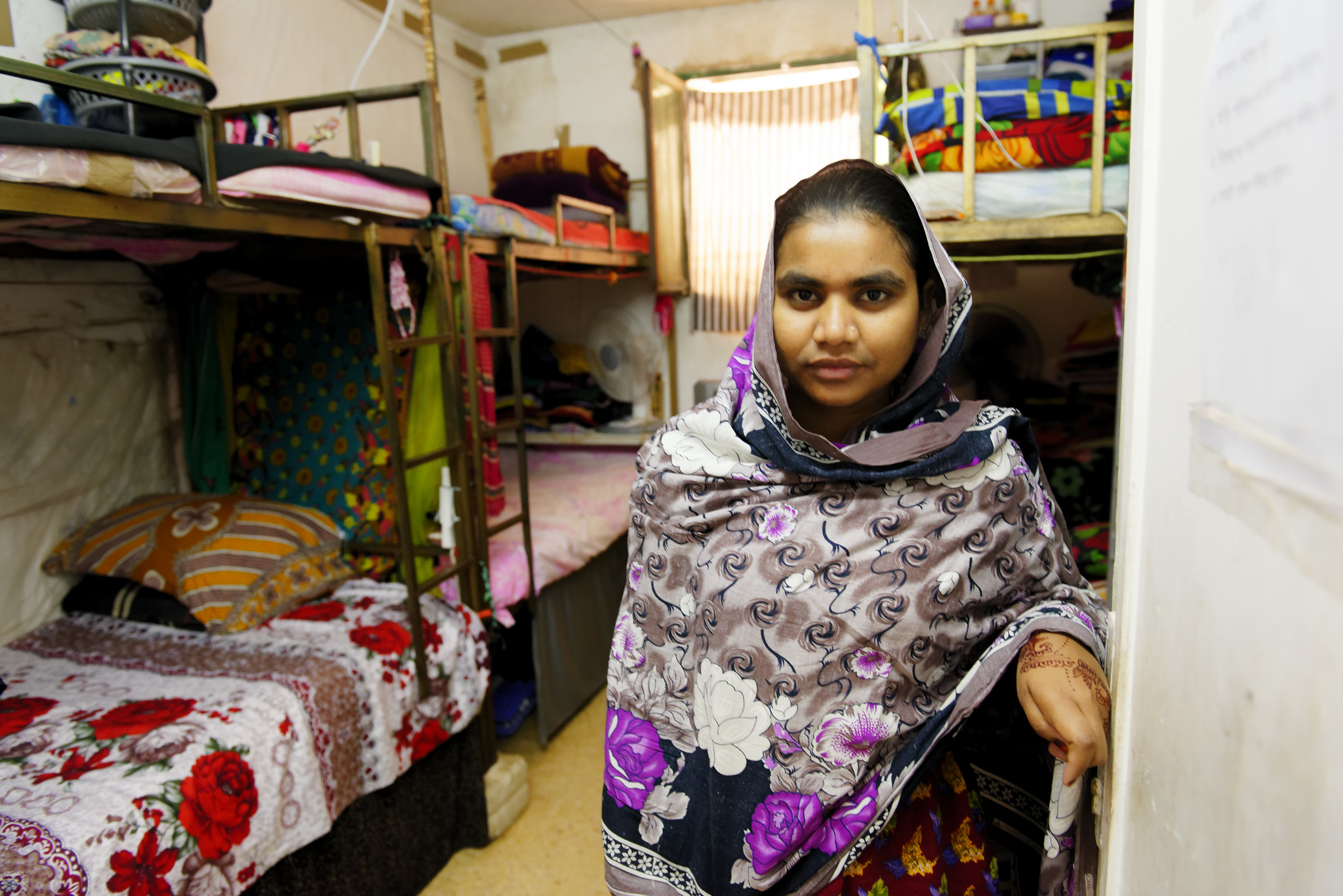
Quel rôle les normes internationales du travail et l'OIT peuvent-elles jouer dans la protection des salaires des travailleurs migrants?
Showing dates/times for
null
Réunion
La Commission d'experts pour l'application des conventions et recommandations de l'OIT (CEACR) a identifié le non-paiement des salaires et les retards de paiement comme les principaux problèmes modernes de protection des salaires qui peuvent également conduire à la servitude pour dettes et au travail forcé, les travailleurs migrants étant particulièrement vulnérables. Cet événement présente une nouvelle note d'orientation de l'OIT sur la protection des salaires des travailleurs migrants.
Moments clés
 Miriam Boudraa - Introduction
Durée: 0:40
Michelle LeightonDurée: 5:45
Katerine Landuyt presents the Guidance Note: Wage Protection for Migrant WorkersDurée: 14:59
Robert HortleDurée: 5:46
Irem ArfDurée: 9:14
Remarques liminaires
Michelle Leighton
Chef du service des migrations de main-d'œuvre
Organisation internationale du Travail (OIT)
Presentation of the ILO guidance note on the protection of migrant workers’ wages
Katerine Landuyt
Technical Specialist, Labour Migration Branch
Organisation internationale du Travail (OIT)
Intervenant(e)(s)
Robert Hortle
Commissioner of the Victorian Wages Inspectorate, Government of Australia
Irem Arf
Migration Policy Advisor
Confédération syndicale internationale (CSI)
Bassina Farbenblum
Founder of Migrant Justice Institute
Henriette McCool
Social Innovation and Human Rights Manager at VINCI
Remarques finales
Patrick Belser
Wage Specialist, ILO Inclusive Labour Markets, Labour Relations and Working Conditions Branch
Organisation internationale du Travail (OIT)
Modérateur(trice)
Miriam Boudraa
Senior Programme Officer
Centre international de formation de l’OIT (ITCILO)